
TAKE A MOMENT TO READ THIS...

THE FUTURE THE INDUSTRY REFUSED
THE ALTERNATIVE THAT CHANGED COURSE
THE ALTERNATIVE THAT CHANGED COURSE
In 2000, five major radio groups launched the Local Media Internet Venture—LMIV. It was more than an attempt to bring local radio online.
It was built upon a truth the music industry refused to recognize:
Radio marketed the music, created demand, and built audiences—yet it was denied the opportunity to participate in the business it helpe
In 2000, five major radio groups launched the Local Media Internet Venture—LMIV. It was more than an attempt to bring local radio online.
It was built upon a truth the music industry refused to recognize:
Radio marketed the music, created demand, and built audiences—yet it was denied the opportunity to participate in the business it helped create.
LMIV offered broadcasters a collectively owned path into the emerging digital music economy. But the established industry resisted any model that threatened its control or allowed new participants to share in the value of music.
This was not an isolated failure.
Again and again, promising technologies and alternative business models have been resisted, restricted, or absorbed to preserve the existing structure of power.
Music is everybody’s business. Its future must include everyone who helps create its value.
THE ALTERNATIVE THAT CHANGED COURSE
THE ALTERNATIVE THAT CHANGED COURSE
THE ALTERNATIVE THAT CHANGED COURSE
In 2008, eMusic was building a different kind of digital music experience. Its independent catalog and recommendation system combined technology with human musical judgment to help listeners discover artists beyond the major-label spotlight.
In 2009, eMusic agreed to add Sony Music’s catalog. The deal did not destroy its technology. But i
In 2008, eMusic was building a different kind of digital music experience. Its independent catalog and recommendation system combined technology with human musical judgment to help listeners discover artists beyond the major-label spotlight.
In 2009, eMusic agreed to add Sony Music’s catalog. The deal did not destroy its technology. But it changed the direction of a platform whose identity had been built around independent discovery.
What might eMusic have become if it had remained focused on that vision? And how can an alternative stay independent when the industry it seeks to challenge controls so much of the music—and the terms for accessing it?
We cannot know what eMusic’s future would have been. We can learn from the question it leaves behind: building an alternative is only the beginning.
Keeping it independent is part of the work.
THE ALTERNATIVE SONY BOUGHT
THE ALTERNATIVE THAT CHANGED COURSE
The music industry will not change on its own.
Kobalt built its reputation on technology designed to give creators greater visibility into their rights and royalties. Through AWAL, it also offered independent artists data, distribution, and a path outside the traditional major-label model.
In 2021, Sony Music bought AWAL and Kobalt Neighbouring Rights.
AWAL continues to operate, but i
Kobalt built its reputation on technology designed to give creators greater visibility into their rights and royalties. Through AWAL, it also offered independent artists data, distribution, and a path outside the traditional major-label model.
In 2021, Sony Music bought AWAL and Kobalt Neighbouring Rights.
AWAL continues to operate, but its future is now under major-label ownership. Sony gained control of an alternative that had grown outside its system.
Seen alongside other promising paths that changed course, this acquisition deserves scrutiny. What happens to transparency, efficiency, and artist control when the companies whose power those advances might reduce own the tools that deliver them?
The platform remains. Its independence does not. Building a different music industry requires technology—and a way to keep its purpose under the control of the people it was built to serve.
The music industry will not change on its own.
The music industry will not change on its own.
The music industry will not change on its own.
Music2020.org exists to bring artists, fans, and every participant in the music ecosystem into the conversation about what the future of music should become—including the structures, technologies, and principles required to build it.
MusicRevolt.org exists to turn that vision into collective action. It is where individuals become an organi
Music2020.org exists to bring artists, fans, and every participant in the music ecosystem into the conversation about what the future of music should become—including the structures, technologies, and principles required to build it.
MusicRevolt.org exists to turn that vision into collective action. It is where individuals become an organized force—with a clear purpose, a concrete plan, and the determination to challenge the concentration of power that has shaped the industry for decades.
The law already provides creators with important rights, including, in certain cases, the opportunity to reclaim ownership of their music. But rights accomplish nothing when artists remain uninformed, isolated, and unrepresented.
Music 2020 defines the future.
Music Revolt organizes the people who will build it.
This is not simply a call for change.
This could be THE LAST CALL.
WHOSE INDUSTRY IS IT?
The music industry will not change on its own.
WHOSE INDUSTRY IS IT?
Three major-label groups dominate the global music industry, exercising enormous influence over the music that reaches the public and the terms under which digital platforms must operate.
When Steve Jobs introduced the 99-cent download nearly twenty-five years ago, technology promised to transform the industry. Streaming later changed the
Three major-label groups dominate the global music industry, exercising enormous influence over the music that reaches the public and the terms under which digital platforms must operate.
When Steve Jobs introduced the 99-cent download nearly twenty-five years ago, technology promised to transform the industry. Streaming later changed the way music was delivered—but it did not change who held the power.
The technology changed. The structure of control did not.
Digital platforms now depend on access to the catalogs controlled by the major labels. That dependence forces them to operate within a system designed primarily to protect concentrated corporate power—not the people who create the music or those who sustain it.
Our movement exists to build a music industry that is truly:
of the people who create it,
by the people who sustain it,
and for everyone whose life and work give music its value.
The choice is ours: remain uninformed, isolated, and powerless—or become informed, organized, and determined to demand justice and fair treatment throughout the music ecosystem.
The industry will not change until we do.
WE RECOMMEND...
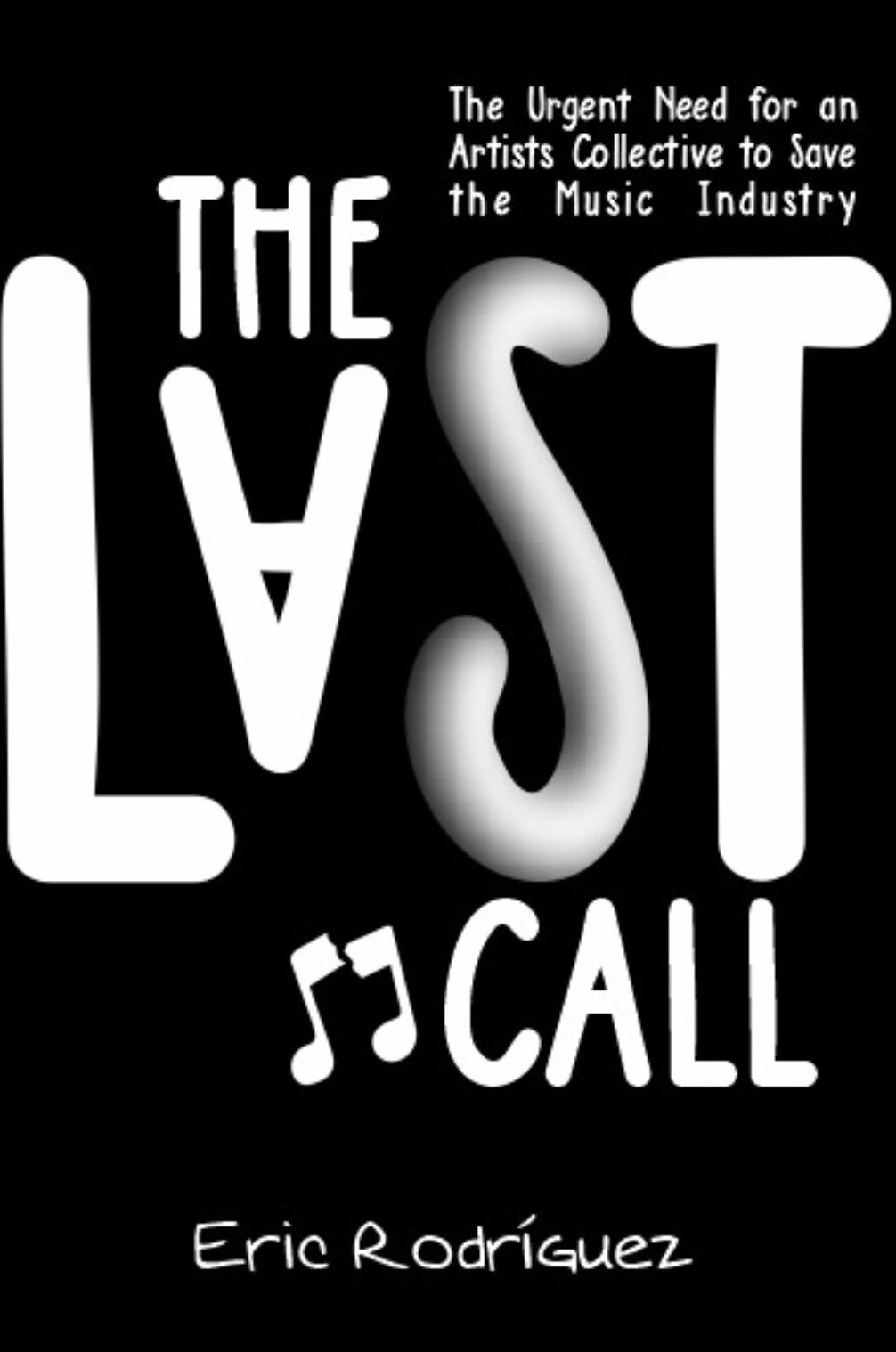
The Last Call examines how the modern music industry lost its balance and what it would take to rebuild it.
From copyright and payola to streaming platforms, algorithms, and artificial intelligence, the book reveals how control over music shifted away from creators and into the hands of a few powerful players. It shows how today’s system was not shaped by innovation alone, but by structures that prioritize control over fairness, leaving artists without meaningful representation in the decisions that define their work and their future.
At the same time, it offers a clear alternative: a framework for a music industry built on transparency, creator ownership, and collective organization. Through practical ideas on compensation, governance, education, and technology, The Last Call outlines how a more equitable and sustainable ecosystem could emerge, one where artists are not isolated participants, but a unified force capable of shaping the system, not just surviving within it.
This is not just a critique of what went wrong. It is a vision of what could be built instead.
WHO WE ARE
BEHIND THE CALL
Music 2020 grew out of decades of firsthand experience in the music industry—and the conviction that the people who give music its value must have a voice in its future.
This movement invites artists, fans, and everyone who helps sustain music to become informed, join the conversation, and act together.
The call began with experience. The change will take all of us.